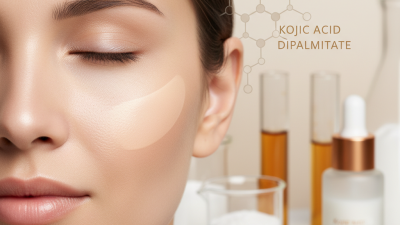
You know, the beauty world’s really shifting — it’s all about embracing new ingredients that actually cater to a whole range of skin types and needs. One ingredient that’s been catching a lot of attention lately is Kojic Acid Dipalmitate. It’s popping up more and more in skincare products, and for good reason. According to some market research from Allied Market Research, the global market for skin-lightening products is projected to hit around $5.8 billion by 2028. That’s huge! And as folks look for more effective options, Kojic Acid Dipalmitate has become pretty popular in the skin whitening game.
Basically, Kojic Acid Dipalmitate helps slow down melanin production, which is why it’s so appealing for those dealing with hyperpigmentation or uneven skin tone. The cool thing? It’s considered more stable than traditional Kojic Acid, so it tends to work better in formulas. Big brands like L'Oréal and Unilever are jumping on this trend, investing in developing products that include this ingredient to keep up with what consumers want.
That said, it’s not all smooth sailing. There’s some chatter about what long-term use might do — while lots of people see positive results, a few folks notice skin sensitivity or irritation. Retailers are running into the challenge of figuring out how to properly inform customers about these potential side effects and the importance of transparency with ingredient lists. Overall, the beauty industry’s got to carefully balance the benefits of Kojic Acid Dipalmitate with the need to educate users and keep things safe. Check out more about it here: Skin Whitening Kojic Acid Dipalmitate.
Kojic Acid Dipalmitate: An Overview of Its Cosmetic Applications
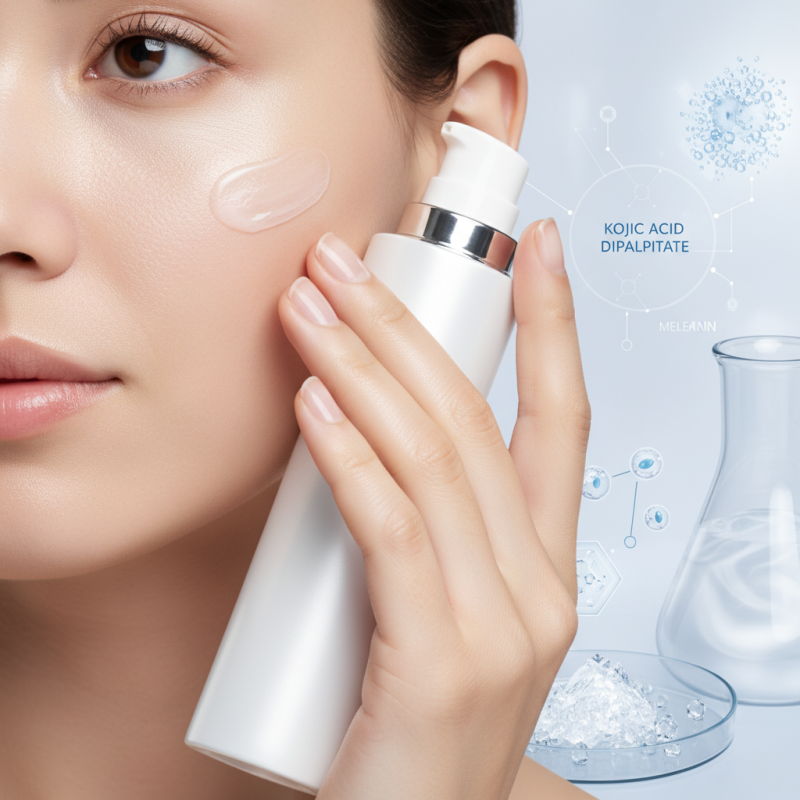
Kojic Acid Dipalmitate is gaining traction in the cosmetic industry. This compound is recognized for its skin-lightening properties. In a study, it was found to reduce melanin production effectively, which is crucial for various cosmetic applications. The compound works by inhibiting enzyme activity that leads to melanin synthesis. This inhibition can help achieve a more even skin tone.
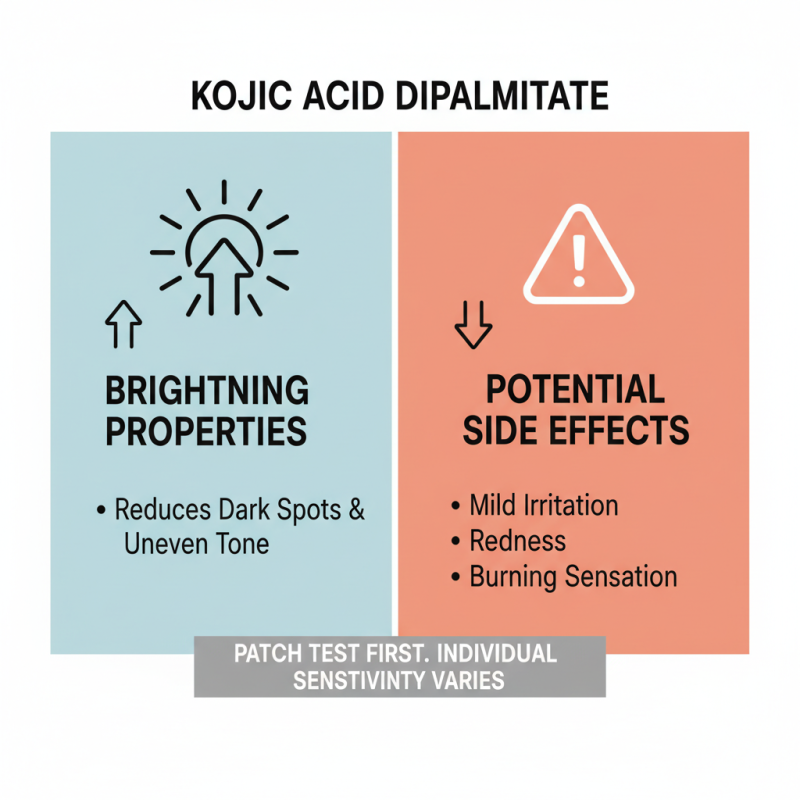
Interestingly, a report from a cosmetic research group suggests that formulations with 99% Kojic Acid Dipalmitate were more effective than those with lower concentrations. Users reported visible results in skin brightness and texture. However, results can vary based on skin type and formulation. It's important to acknowledge that skin reactions might occur. Some individuals experience mild irritation or sensitivity.
Kojic Acid Dipalmitate is also a stable alternative to its predecessors. This stability allows for longer shelf life in creams and serums. Yet, not all formulations are created equal. Some products may not utilize this ingredient at an optimal percentage. Therefore, effective results often depend on proper concentration and formulation strategies. The cosmetic field is still learning about the full potential of this compound.
Understanding the Chemistry Behind Kojic Acid Dipalmitate
Kojic Acid Dipalmitateis a derivative of kojic acid. This ingredient is commonly found in cosmetics. It is known for its skin-brightening properties. The Science behind this compound is intriguing. It inhibits the enzyme tyrosinase, which plays a crucial role in melanin production. Less melanin leads to a lighter skin tone. This makes it a valuable component in various formulations.
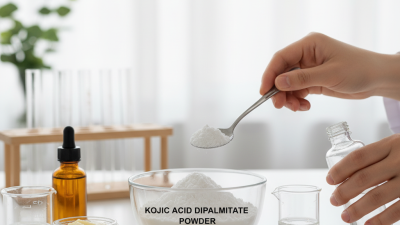
When using products with Kojic Acid Dipalmitate Powder, consider your skin type. Some people may experience sensitivity. Perform a patch test first. Start with lower concentrations to gauge your skin's reaction. This approach can prevent unexpected irritations.
Kojic Acid Dipalmitate isn’t a miracle worker. Results take time. You may not see immediate effects. Patience is key when trying new ingredients. Incorporating it into your routine alongside moisturizers and sunscreens is wise. This can enhance its effectiveness and provide additional protection against sun damage. Keep in mind that individual experiences can vary significantly. Reflect on your personal results as you proceed.
Key Benefits of Kojic Acid Dipalmitate in Skin Care Products
Kojic Acid Dipalmitate has gained popularity in cosmetic formulations. It’s a powerful ingredient derived from fungi. This compound is primarily known for its skin-brightening properties. Many users appreciate its effectiveness in addressing hyperpigmentation. It works by inhibiting melanin production in the skin. This results in a more even skin tone and a brighter complexion.
In addition to brightening, Kojic Acid Dipalmitate has antioxidant properties. This helps to protect the skin from damage. It fights free radicals that can lead to premature aging. Some skincare enthusiasts report smoother skin texture with regular use. However, results may vary from person to person. It’s essential to be patient and consistent.
Tips: Always perform a patch test before using new products. Apply a small amount of the product to your wrist and wait. Observing for any adverse reactions is crucial. If irritation occurs, discontinue use immediately. Remember, everyone's skin is different. Adapt your skincare routine according to your unique needs.
Comparison of Kojic Acid and Kojic Acid Dipalmitate for Skin Brightening
Kojic Acid and its derivative, Kojic Acid Dipalmitate, serve as popular choices in the realm of skin brightening. Both ingredients target melanin production, reducing hyperpigmentation. According to data from several dermatological studies, Kojic Acid can inhibit melanin synthesis effectively. Research shows a concentration of 1% Kojic Acid can lead to a noticeable decrease in skin discoloration after 12 weeks of regular use.
Kojic Acid Dipalmitate, on the other hand, demonstrates enhanced stability compared to its parent compound. Studies indicate that this form is less prone to oxidation, making it a more resilient option in formulations. The National Institutes of Health has published findings that suggest Kojic Acid Dipalmitate is less irritating, which appeals to those with sensitive skin. Its oil-soluble nature allows deeper penetration into the skin layers, potentially offering more efficient results.
However, the price of effective results can be sensitive skin reactions. Not everyone responds positively to these ingredients. Some consumers may still experience irritation or unpredictable outcomes. Developing a well-tolerated product that balances effectiveness and gentleness continues to be a challenge in cosmetic formulations. As research progresses, it remains crucial for the industry to refine these ingredients for better skin compatibility.
Potential Side Effects and Safety Considerations in Cosmetics
Kojic Acid Dipalmitate is praised for its brightening properties. However, potential side effects deserve attention. Many users report mild irritation. This can manifest as redness or a burning sensation. Skin sensitivity varies from person to person. It’s crucial to test products on a small area first.
In some cases, prolonged use may lead to more serious reactions. Allergic responses are possible for certain individuals. If you notice swelling or itchiness, discontinue use immediately. Understanding your skin type is essential. Consider consulting with a dermatologist if unsure.
Moreover, the safety of such ingredients can depend on formulation. Some products may contain harsh additives that amplify side effects. Always read labels carefully. Transparency in ingredients is key to making informed choices. Ultimately, be cautious with any new cosmetic ingredient, including Kojic Acid Dipalmitate. A little reflection on your personal experience can lead to better skincare decisions.
How to Incorporate Kojic Acid Dipalmitate into Your Skincare Routine
Incorporating High Purity Kojic Acid Dipalmitate into your skincare routine can enhance your complexion. This ingredient works by reducing melanin production, helping to lighten dark spots. Many users have noticed a brighter appearance within weeks.
Start by doing a patch test. Apply a small amount on your wrist. Wait for 24 hours to check for any reactions. If all goes well, you can proceed to add it to your regimen. Mix a few drops into your moisturizer or serum. This easy addition may make your products more effective.
Be mindful of proper usage. Overuse can lead to irritation. If your skin feels dry or sensitive, adjust the frequency. A few times a week might be enough. Observation is key. Everyone's skin reacts differently. Keep a journal of your skin's response to track progress and make necessary adjustments.
Future Trends in the Use of Kojic Acid Dipalmitate in Cosmetics
Kojic Acid Dipalmitate is gaining traction in the cosmetics industry. Its effectiveness in skin brightening is well-documented. A 2022 industry report revealed that the global market for skin lightening products is expected to reach USD 10 billion by 2025. This growth is fueled by increased consumer awareness of dermatological benefits.
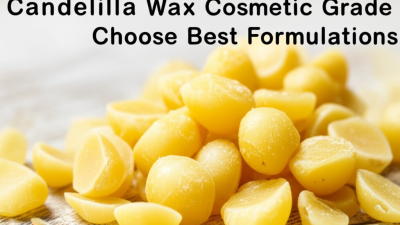
Future trends indicate a rise in the popularity of Cosmetic Grade Kojic Acid Dipalmitate. Studies show it provides stable and potent skin benefits compared to traditional kojic acid. This is attractive for formulators aiming to create long-lasting products. The ingredient also shows promise in addressing hyperpigmentation. However, it is critical to note that balancing efficacy with safety remains challenging.
Regulatory scrutiny is increasing regarding cosmetic ingredients. Many consumers are becoming more knowledgeable about potential side effects. These concerns highlight the need for transparency in formulation. As such, ongoing research and development are essential to ensure positive consumer experiences. Brands must be proactive in educating users about the properties of Kojic Acid Dipalmitate. This includes highlighting both its benefits and any potential drawbacks in usage.
Unlocking the Power of Acetyl Tetrapeptide-2: Revolutionizing Cosmetics with Peptide Innovation
Acetyl Tetrapeptide-2 has emerged as a groundbreaking ingredient in the cosmetics industry, harnessing the innovative capabilities of peptide science to deliver remarkable benefits for skin care. Known for its ability to stimulate cellular activity, this powerful tetrapeptide acts to enhance skin firmness and resilience. With a molecular weight of 564.631 and a chemical formula of C26H40N6O8, its structure is specifically designed to engage with biological systems effectively. The high purity specification of 98% ensures that products containing Acetyl Tetrapeptide-2 can provide optimal results, making it an exciting component for cosmetic formulators.
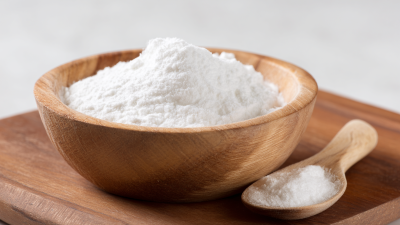
The versatility of Acetyl Tetrapeptide-2 lies in its water solubility, which allows for easy incorporation into various formulations. Typically presented as a white fine powder, it maintains a pH value range of 5.0 to 7.0, fitting seamlessly into both cream and serum-based products. As consumers increasingly seek innovative solutions for their skincare concerns, Acetyl Tetrapeptide-2 stands out by promoting healthier, more youthful-looking skin through its unique ability to support cellular processes. As the demand for effective and scientifically-backed cosmetic ingredients continues to rise, the role of this peptide is set to revolutionize the landscape of personal care products.
FAQS
It inhibits tyrosinase, an enzyme that produces melanin, leading to a lighter skin tone.
Not everyone can. Sensitive skin may react negatively. Always perform a patch test first.
Results are not immediate. Patience is important. Changes may take time to appear.
Yes. Using it with moisturizers and sunscreens can enhance its effects and protect from damage.
Discontinue use immediately. It's vital to adapt based on your skin's unique reactions.
No, individual experiences vary. What works for one may not work for another. Reflect on your results.
Yes, it fights free radicals, potentially reducing signs of premature aging.
Yes, finding the right concentration and routine may require some trial and error.
Start with lower concentrations and gradually increase based on your skin's tolerance.
Conclusion
Kojic Acid Dipalmitate in cosmetics has garnered attention for its effective skin brightening properties and wide-ranging applications in skincare formulations. Its unique chemistry offers enhanced stability compared to traditional kojic acid, making it a popular choice for those seeking to improve skin tone and reduce pigmentation. Key benefits of Kojic Acid Dipalmitate include its ability to inhibit melanin production while being less irritating to the skin, making it suitable for sensitive skin types.
As consumers become increasingly aware of ingredient safety, understanding the potential side effects and safety considerations associated with Kojic Acid Dipalmitate becomes essential. Incorporating this compound into a skincare routine can yield significant improvements in skin brightness and texture. Additionally, the future trends indicate a growing integration of Kojic Acid Dipalmitate in various cosmetic products, reflecting its promising role in enhancing overall skin health.