Navigating the complexities of global cosmetic ingredient procurement.
In the highly competitive cosmetics and personal care manufacturing industry, Sodium Lauryl Sulfate (SLS) remains one of the most critical foundational ingredients. As a highly effective anionic surfactant, its unparalleled ability to lower the surface tension of aqueous solutions makes it indispensable for creating rich lathers, stabilizing emulsions, and ensuring deep cleansing efficacy. For cosmetic ingredient sourcing and supply programs, establishing a resilient, high-quality pipeline for bulk SLS is not merely an operational necessity—it is a strategic imperative that directly dictates product performance, formulation stability, and ultimate consumer satisfaction.
The global commercial landscape for SLS is vast, driven by the exponential growth of the personal care sector. However, sourcing this vital chemical presents unique industrial challenges. The supply chain is heavily influenced by the availability and pricing of its raw precursors—primarily lauryl alcohol derived from coconut oil, palm kernel oil, or petroleum-based sources. Modern Cosmetic Ingredient Sourcing Programs must navigate these volatile commodity markets. Industrial buyers now demand rigorous supplier vetting, focusing on multi-tiered supply network mapping to prevent bottlenecks. Bulk procurement strategies increasingly rely on long-term contract manufacturing agreements (CMAs) and strategic stockpiling, ensuring that large-scale cosmetic manufacturers are insulated from macroeconomic shocks and raw material shortages.
From an industrial standpoint, not all SLS is created equal. Supply programs must implement stringent quality control matrixes. Key parameters such as the active matter percentage, un-sulfated alcohol content, sodium chloride levels, and pH stability must be tightly monitored. High-tier sourcing programs leverage advanced analytical techniques—such as High-Performance Liquid Chromatography (HPLC) and Gas Chromatography (GC)—to guarantee that bulk SLS shipments meet the exacting standards of international regulatory bodies like the FDA, EMA, and REACH. This meticulous attention to biochemical purity prevents downstream formulation failures, such as unexpected viscosity changes or phase separations in cosmetic products.
How premium SLS sourcing dictates formulation success across diverse cosmetic categories.
Understanding the profound application scenarios of Sodium Lauryl Sulfate allows procurement specialists to tailor their sourcing programs to specific manufacturing needs. SLS is not a monolithic ingredient; its integration into cosmetic chemistry is highly nuanced, requiring precise hydrophilic-lipophilic balance (HLB) calculations and critical micelle concentration (CMC) management.
In the realm of shampoos and body washes, SLS acts as the primary workhorse surfactant. Its molecular structure—featuring a hydrophobic hydrocarbon tail and a hydrophilic sulfate head—allows it to encapsulate sebum, environmental pollutants, and styling product residues, suspending them in water for effortless rinsing. High-quality SLS sourced through dedicated programs ensures a rapid flash foam and a dense, creamy lather structure that consumers associate with premium cleansing. Furthermore, industrial formulators rely on pure SLS to act synergistically with co-surfactants like Cocamidopropyl Betaine (CAPB) to mitigate skin irritation while maximizing cleansing power.
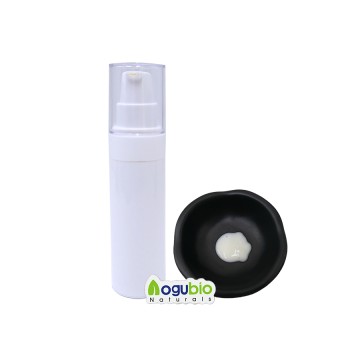
Beyond foaming, SLS is a potent emulsifier used in the manufacturing of creams, lotions, and facial cleansers. In oil-in-water (O/W) emulsions, SLS reduces the interfacial tension between the oil phase and the aqueous phase, preventing coalescence and ensuring long-term shelf stability. Cosmetic ingredient supply programs must provide SLS with extremely low impurity profiles for these applications, as trace contaminants can disrupt the delicate rheology of skincare emulsions, leading to product separation or altered sensory profiles upon application to the skin.
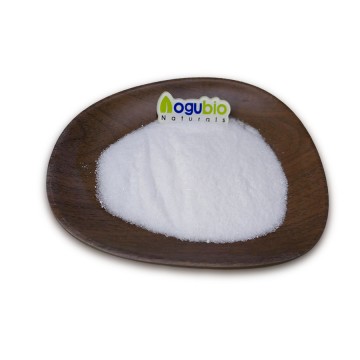
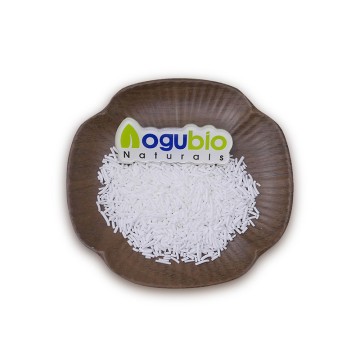
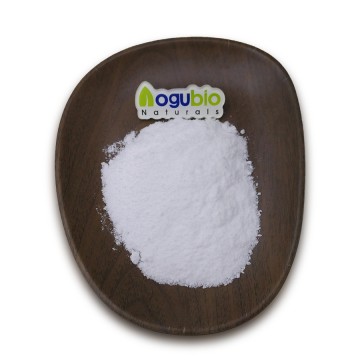
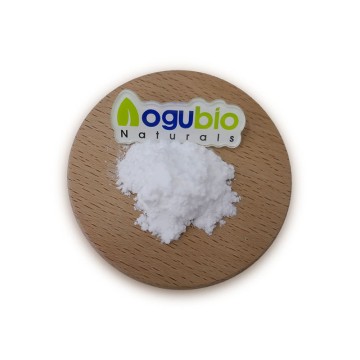
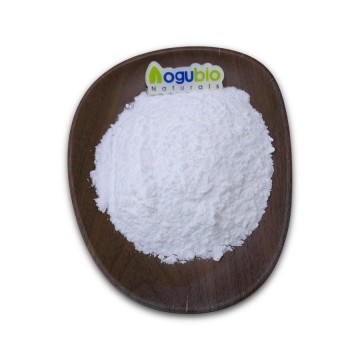
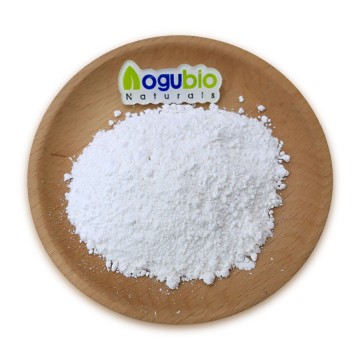
In oral care, particularly toothpaste manufacturing, SLS is the industry standard for generating foam that helps distribute active ingredients like fluoride across the teeth and gums. The sourcing of pharmaceutical-grade or food-grade SLS is paramount here, requiring supply programs to maintain impeccable hygiene and trace-ability standards. Additionally, in specialized industrial cosmetics—such as heavy-duty hand cleansers for mechanics or theatrical makeup removers—the robust degreasing capability of SLS is heavily leveraged, demanding bulk supply of highly concentrated needle or powder forms.
The intersection of artificial intelligence, green chemistry, and modern supply chains.
The future of Cosmetic Ingredient Sourcing Programs is intrinsically linked to Artificial Intelligence and machine learning technologies. Forward-thinking supply networks are deploying AI algorithms to forecast raw material price fluctuations, optimize inventory levels, and predict global shipping delays. By analyzing vast datasets—including weather patterns affecting palm oil yields, geopolitical shifts, and real-time shipping logistics—AI empowers cosmetic manufacturers to secure SLS contracts at optimal pricing windows. Furthermore, AI-driven quality control systems utilize computer vision and automated spectroscopy to instantly verify the chemical composition of incoming SLS batches, ensuring zero-defect supply chains.
Environmental sustainability is radically reshaping industrial sourcing. Consumer demand for eco-conscious cosmetics has pressured supply programs to pivot toward sustainably sourced SLS. This involves a strict adherence to the Roundtable on Sustainable Palm Oil (RSPO) guidelines, ensuring that the lauryl alcohol used in SLS synthesis does not contribute to deforestation or habitat destruction. Modern supply programs are integrating blockchain technology to provide immutable, transparent traceability from the tropical plantation to the final cosmetic formulation. This technological integration not only fulfills regulatory requirements but also significantly elevates the brand equity of cosmetic manufacturers.
Technological advancements in chemical synthesis are leading to the development of modified SLS variants and pre-blended surfactant concentrates. Supply programs are evolving from providing raw SLS to offering sophisticated, customized surfactant systems tailored to specific cosmetic applications. These innovative blends are designed to be milder on the skin microbiome while maintaining exceptional performance, reflecting a broader industry trend toward bio-compatible and highly specialized cosmetic ingredients.
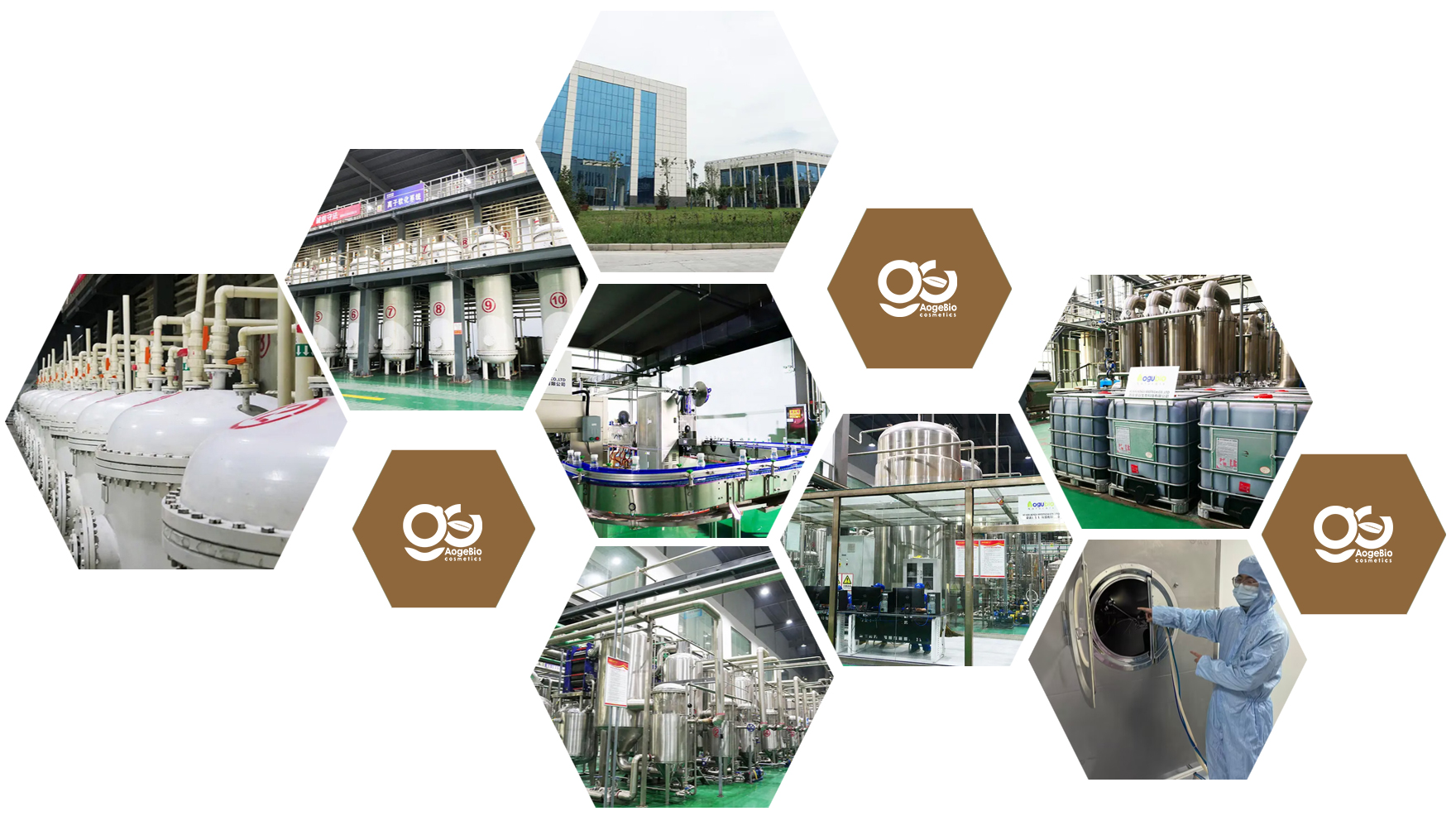
Our in-house laboratory is equipped with cutting-edge instruments for rigorous quality control. We utilize UPLC and HPLC for analyzing active components, GC and GC-MS for detecting solvent residues, ICP-MS for identifying heavy metals, and GC/LC-MS-MS for assessing pesticide residues. Additionally, we employ HPTLC and IR for identification purposes, ELISA for determining ORAC values, PSL for evaluating irradiation residues, and conduct comprehensive microbiology tests. These measures guarantee that our raw materials adhere to stringent international standards.
At Aogebio, innovation, quality, and sustainability are the bedrock of our corporate philosophy.